Viber
Viber
 Telegram








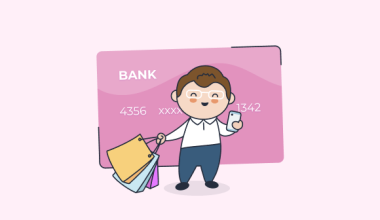
The digitization of payments is gradually changing the way fiscal receipts are handled. Alongside paper and electronic receipts that businesses send via SMS or email, a new channel for transmitting them is emerging — through banking apps.
The state-run eCheck service was created specifically for this purpose. It allows customers to receive information about their fiscal receipt directly in their banking app after paying by card.
In this article, we’ll explore what eCheck is, how the receipt transmission mechanism works, what businesses need to keep in mind, and what limitations the service currently has.
What is eCheck?
eChek is a government service that allows buyers to receive information about their fiscal receipt in a banking app after paying by card.
Essentially, this is a new channel for delivering fiscal receipts. Whereas previously a seller would provide the receipt to the buyer in paper form or send it via SMS, messenger, or email, with eCheck, receipt information can be automatically displayed in the customer’s banking app when paying by card.
It is important to understand that e-Check does not create a new type of fiscal receipt. The receipt is still generated via a cash register or point-of-sale system in accordance with legal requirements. The service merely provides an alternative method of delivering it to the buyer.
Thus, the main goal of e-Check is to simplify buyers’ access to purchase information and gradually reduce the need for paper receipts.
How eCheck works
The buyer’s bank connects to the government system and can retrieve information about fiscal receipts from government registries.
The buyer consents to receiving e-Receipts in their banking app.
The merchant submits an application to join the e-Receipt program on the program organizers’ website.
The buyer makes a card payment via the terminal.
The terminal transmits information to the PRRO or POS software that the buyer has e-Receipt enabled.
The seller generates a fiscal receipt via the RRO or PRRO with additional data from the terminal.
The receipt data is transmitted to the state registries.
The bank receives information about the generated receipt and displays it in the buyer’s banking app.
As a result, the buyer sees a visualization of their receipt information in the banking app.
What about e-Check support on Vchasno.Kasa?
The implementation of the eCheck service involves the interaction of several parties: banks, acquiring systems, and fiscalization software solutions. That is why this mechanism is being rolled out gradually — as each participant becomes technically ready.
From the perspective of the cash register/point-of-sale system, the key task is to retrieve the identifier from the terminal and include it, along with some additional information, in the fiscal receipt. This data allows the banking infrastructure to determine that the buyer is connected to the eCheck service and, accordingly, to display the receipt information in the banking application.
Currently, Vchasno.Kasa is already integrated with PrivatBank and supports the “e-Check” service. We are gradually adding new banks and terminals to make the service available to even more businesses and customers. Stay tuned for updates, and the current list of National Checks (eCheck) in banking apps will help you check which banks already support eCheck.
What is important for businesses to know?
Despite the launch of the new service, the basic rules for handling fiscal receipts remain unchanged.
 First, eCheck does not replace a cash register or a portable cash register. As before, fiscal receipts must be generated through a cash register system in accordance with legal requirements.
Second, eChek is not a new fiscal instrument. It is merely an alternative channel for transmitting an already generated receipt to the buyer.
In other words, the service does not change the rules of fiscalization, but merely supplements existing methods of delivering receipts.
At the same time, it is important to consider the current state of the service’s development:
- The program is currently in pilot mode;
- The bank is gradually rolling out eCheck support for each type of acquiring, starting with POS terminals;
- Banks are being integrated into the system gradually;
- Participation in the program is voluntary—for banks, businesses, and POS/EPOS providers alike.
For this reason, Yechek cannot currently fully replace existing methods of issuing receipts.
Why can’t e-Receipt replace a traditional receipt yet?
At present, there are at least two key reasons why the service cannot replace traditional methods of issuing receipts.
📶 Offline mode of the PRRO
If the software-based cash register is operating in offline mode, information about the generated receipt is not immediately transmitted to government registries.
In this situation, the bank cannot receive the receipt data at the time of the transaction, and the buyer will not see it in the banking app immediately after payment.
The receipt will only become available after the software cash register switches from offline to online mode and transmits the information to the system.
That is why, when operating in offline mode, businesses must issue receipts using traditional methods—for example, in paper form or through other electronic channels.
⚠️ A bank check is not a payment document
According to the law, a payment document is a document of a prescribed form and content that contains a specific set of mandatory details.
A fiscal receipt generated via a cash register (CR) or a portable cash register (PCR) must meet these requirements.
At the same time, the information about the receipt displayed in banking apps (eChek) is currently limited:
- it contains only basic data (list of goods, amounts);
- it may contain a link to the receipt in the State Tax Service system;
- it does not include the full set of fiscal details;
- it is merely a visualization of the receipt information.
In other words, the banking app essentially displays condensed information about the generated receipt, but is not the payment document itself.
This is precisely why it cannot replace a standard-form fiscal receipt, and the requirement to issue it remains in effect.
How this might affect business
Despite certain limitations, the eCheck service has the potential to simplify the handling of receipts for both businesses and customers.
For businesses, this could mean:
- reduced need for paper receipts;
- less need to send receipts via SMS or email;
- simplified process of sending receipts to customers.
For customers, this can provide:
- quick access to purchase information;
- easy receipt search within the banking app;
- less reliance on paper receipts.
At the same time, it is important to note that traditional methods of issuing receipts remain valid, and the legal requirements regarding the use of cash registers and electronic cash registers remain unchanged.
Conclusions
eCheck is a new digital channel for sending fiscal receipts to customers via banking apps. The service automatically displays receipt information after a card payment, which potentially simplifies customers’ access to receipts and reduces the need for paper documents.
At the same time, it is important to understand that e-Receipt does not change the rules of fiscalization. As before, the receipt must be generated via a cash register or a portable cash register in accordance with legal requirements, and its display in a banking app is merely an additional way to convey information about it to the customer.
Currently, the service is operating in pilot mode and is gradually expanding support from banks and the payment infrastructure. Therefore, at this stage, it does not replace traditional methods of issuing receipts, but merely supplements them.

Prepare your cash register for the digital transition
With Vchasno.Kasa, your business is ready for new ways of handling fiscal receipts and payment infrastructure.
Try PRRO for free