Telegram







 Team roles
 Hiring practices
 HR cycle
 Vacation
 Applications
 Mobile App
 For Retail Chains
 For IT Companies
Content
- Introduction
- When an employer needs an employee's consent to communicate electronically
- What is consent to the use of alternative means of electronic communication?
- Why an employee's separate consent is an important part of HR electronic document management
- Sample employee consent form for electronic communication
- What must be included in the document
- Is an employee’s consent alone sufficient for exchanging electronic documents?
- In summary
Electronic communication between employers and employees has already become an integral part of modern HR processes: companies approve requests online, use digital signatures, and implement electronic document management systems. However, simply going “digital” is not enough to ensure legally compliant document exchange — it is essential to properly document the employee’s consent to electronic communication.
In this article, we will discuss when an employee’s consent to exchange electronic documents is required, what the document should contain, and how to properly draft it.
When an employer needs an employee’s consent to communicate electronically
Consent to use alternative forms of electronic communication is required when a company plans to formally adopt electronic communication for HR processes. This goes beyond simply exchanging files or sending emails; it involves the full-scale implementation of an electronic document management system for HR.
This is particularly relevant for:
- companies with remote or hybrid teams,
- businesses with multiple offices,
- and employers looking to reduce paper-based workflows and streamline HR processes.
What is consent to the use of alternative means of electronic communication?
An employee’s consent to electronic communication is a document in which the employee formally confirms their willingness to interact with the employer electronically. In essence, it establishes the rules for electronic interaction between the parties to the employment relationship and specifies that HR documents may be transmitted via agreed-upon communication channels.
Employers may use various names for such a document: employee consent to exchange electronic documents, employee statement of consent to exchange electronic documents, or employee consent to electronic communication.
Typically, in such a consent form, the employee confirms that they agree to:
- receive HR documents online;
- use specified communication channels;
- interact with the employer electronically;
- recognize the legal validity of electronic documents and electronic signatures.
Why an employee’s separate consent is an important part of HR electronic document management
Businesses often mistakenly believe that switching to electronic document management requires nothing more than corporate email or subscribing to an EDM service. However, without the employee’s formal consent, electronic communication can pose legal risks.
Consent is required for several key aspects of electronic communication between an employer and an employee:
| Aspect | What is it for? |
| Legal | Confirms the parties’ agreement on electronic communication |
| Communications | Explains the rules of the new work format to employees |
| Operations | Helps avoid disputes regarding documents and communication channels |
Additionally, the company may specify:
- whether consent can be withdrawn;
- what to do if an employee refuses to sign it;
- how this consent is handled for new employees during the onboarding process.
Sample employee consent form for electronic communication
An employee’s consent to electronic communication must include clearly defined terms for electronic interaction, channels for exchanging documents, and confirmation of the employee’s agreement to use electronic formats.
Below is a practical sample of an employee’s consent to exchange electronic documents, which can be adapted to your company’s internal processes and HR electronic document management system.
What must be included in the document
For an employee’s consent to electronic communication to have practical and legal validity, it is important for the document to clearly define the rules governing electronic interaction between the parties. Most often, it contains several key sections.
Employee and employer details
The document must clearly identify the parties to the employment relationship: the employee’s full name, the company name, the employee’s position, and the employer’s contact information.
Format of electronic communication
It is important to explicitly state that the employee agrees to the electronic format for exchanging documents and to the use of electronic communication channels.
Communication channels
One of the key points of the document is defining the channels through which the employer and employee will conduct electronic communication. This helps avoid disputes regarding how documents, messages, or HR decisions were transmitted.
These may include:
- email;
- an electronic document management system;
- the employee’s corporate portal;
- messaging apps;
- other agreed-upon communication channels.
According to Part 3 of Article 29 of the Labor Code, alternative methods for familiarizing the employee with the employer’s documents and notifications may be specified in the employment contract by mutual agreement of the parties. That is why it is important not only to use electronic communication channels in practice but also to formally establish them in the company’s documents.
List of documents
It is advisable to specify separately which documents may be transmitted electronically: applications, employer orders, notices, HR documents, supplementary agreements, or documents related to the employment contract.
Confirmation of contact information
The employee must confirm that the provided contact information is current and is used by them personally.
Date and signature
The document must be signed—either by hand or using an electronic digital signature (EDS).
Is an employee’s consent alone sufficient for exchanging electronic documents?
No. This is one of the most common mistakes businesses make. Many companies believe that simply obtaining a written statement from an employee is enough to fully transition to electronic document management for HR. In reality, an employee’s consent to exchange electronic documents is just one element of a properly organized process.
For a fully functional electronic document management system, an employer typically needs:
- internal rules or regulations;
- defined communication channels;
- a procedure for signing documents;
- a system for storing HR documents;
- a technical solution for electronic exchange;
- legally sound process organization.
That is why businesses are increasingly moving away from individual templates and manual processes toward specialized solutions for HR electronic document management. Such systems help automate HR processes, securely exchange documents, monitor signing, and centrally manage HR documents in a unified environment.
In Vchasno.Kadry, employers can not only send employees documents regarding consent to electronic communication but also centrally organize the entire HR electronic document management process: document exchange, approval, signing, and storage of HR documents in a single environment.
In summary
Electronic communication between employers and employees has already become a standard part of modern HR processes. However, simply downloading a document template is not enough to ensure its secure and legally compliant implementation.
In short:
- a sample employee consent form for electronic communication is just the beginning;
- the document must contain clear rules for electronic interaction;
- a single statement is not enough for a comprehensive HR electronic document management system;
- a comprehensive approach with internal policies and specialized services works best.
Only then does electronic document management truly simplify HR processes rather than creating additional risks for the business.
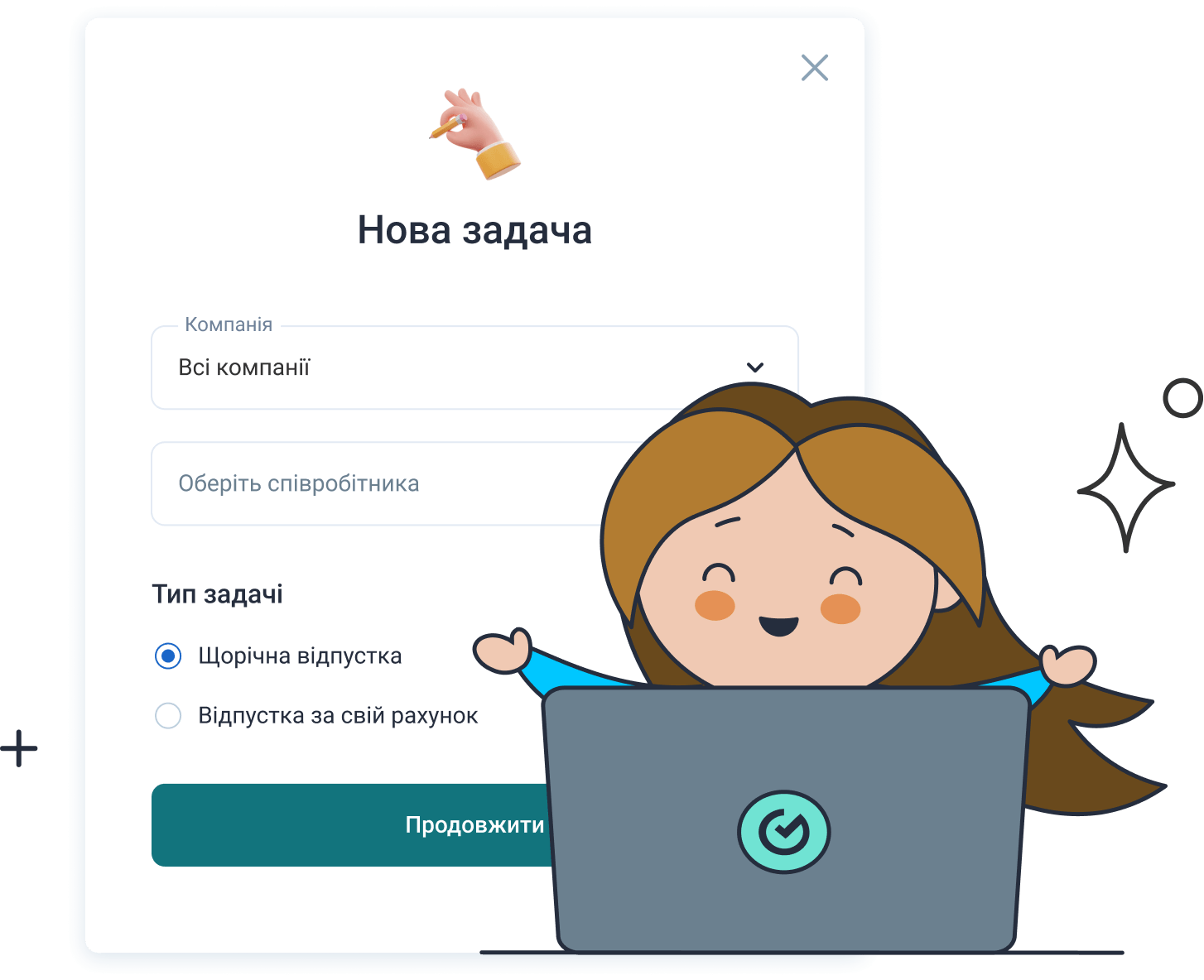
HR records without paperwork or hassle
✔️ Work with HR documents: create, approve, and sign them online
✔️ Automate all employee-related processes: from digital onboarding to offboarding